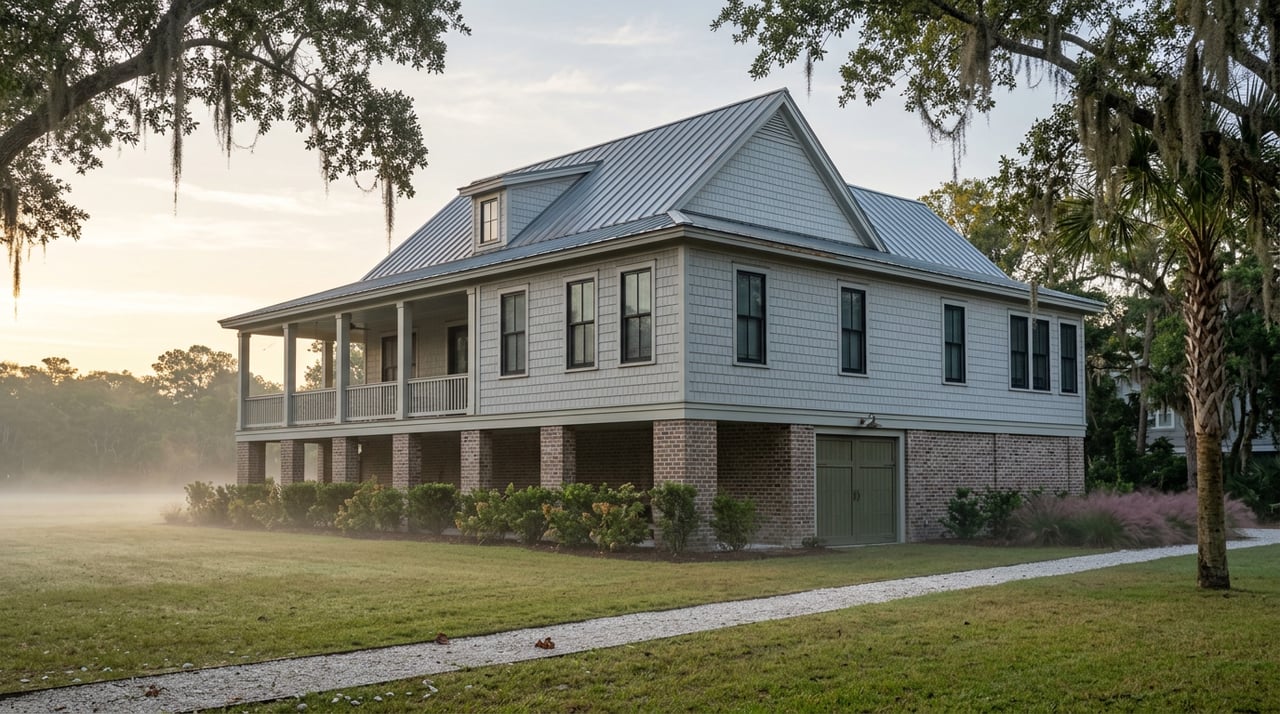
What Cleaner Stono River Boating Means in Stonoview
August 27, 2026
August 27, 2026
The first giveaway that something changed on the Stono River this year isn't a sign or a headline. It's what you don't see anymore from Stonoview's community dock on an early Saturday: no half-sunk hull tilting near the marsh grass, no splintered mast poking up under the Limehouse Bridge like a dead tree. For a neighborhood built around 371 homesites and a shared waterfront, that absence is the story.
On July 13, 2026, crews from Wounded Nature-Working Veterans pulled nine abandoned and derelict boats out of the Stono River at the John P. Limehouse Boat Landing and destroyed them onshore. Sailboat masts that had been rotting under the bridge for years came out in the same sweep. The Post and Courier reported that the nonprofit's CEO, Rudy Socha, called it one of the last times his organization would need to run an operation like this on the coast. That's a striking thing to say about a backlog that's been building for years, and it's worth understanding why it happened now instead of five years ago.
Derelict boats don't pile up because nobody notices them. They pile up because there was never a deadline forcing anyone to act. Until this spring, if a boat sank or was abandoned in South Carolina waters, the process of tracking down an owner and compelling action could stretch on with no real time limit, which meant wrecks sat for months or years while paperwork moved at its own pace.
That changed this past May, when state legislators overhauled the abandoned vessel statute, cutting the window for owners to identify themselves and submit a retrieval plan down to 21 days, and raising the fines and penalties for leaving a boat behind. A tighter clock did what patience never could. Agencies could finally treat each boat as a case with an actual endpoint instead of an open file, and within two months the backlog on this stretch of river was moving.
That's the mechanism behind the nine boats that came out of the Stono in July, just weeks after the new law took hold. It's also why the cleanup crews are now talking about shifting their attention inland, toward derelict boats in the state's lakes, because the coastal backlog that included Johns Island's stretch of the river is finally close to cleared.
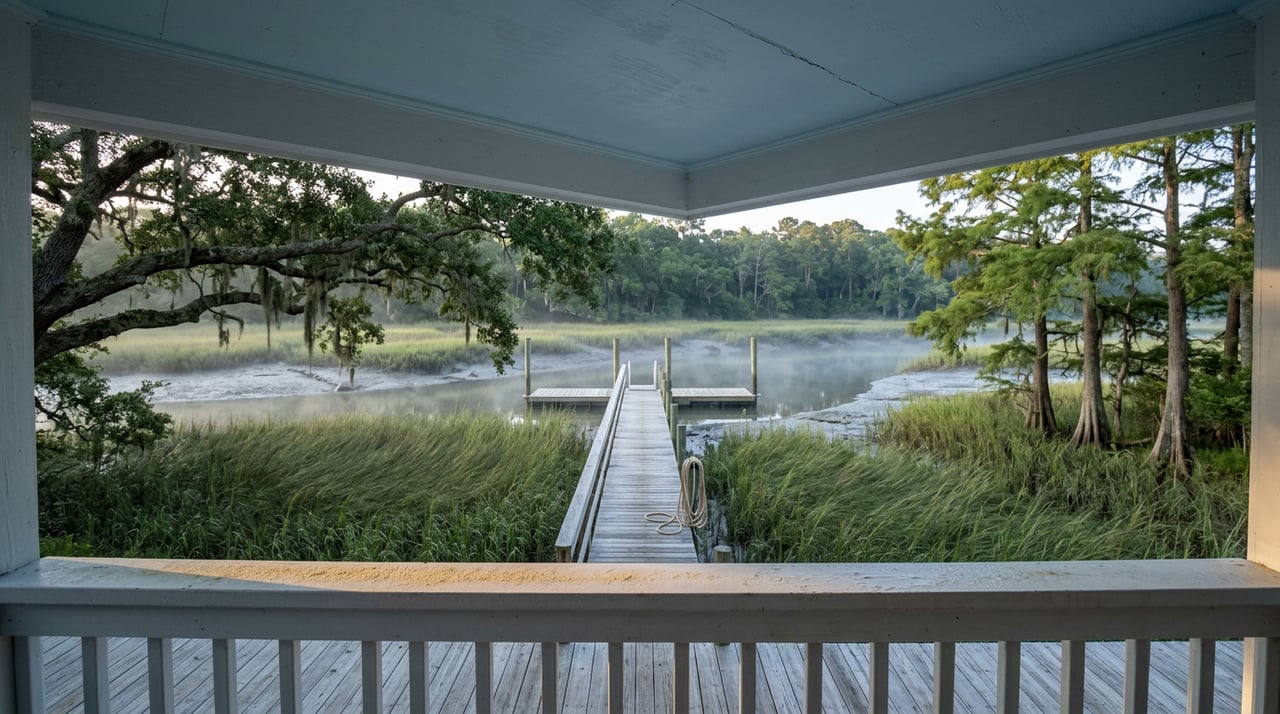
Stonoview's own waterfront amenities sit right in the middle of this story, even though the cleanup happened a few miles away. The community's private dock stretches 240 linear feet along the Stono, with a sundeck, floating boat slips, and a separate crabbing dock built for the neighborhood's daily rhythm: early risers watching the sun come up over the water, kids crabbing off the pier, kayaks going in and out of storage. It was never built to be a launch point for every boat owner in a 371-home community, so most residents who own something bigger than a kayak still trailer over to a public ramp.
The nearest one is John P. Limehouse Boat Landing, a short drive across the island on Main Road. It's a workhorse facility with four concrete launch lanes and its own fishing pier, managed by Charleston County as one of nineteen public boat landings in the county. It's also exactly where the derelict boats came out in July. So the cleanup didn't just tidy up some distant stretch of river. It cleared the launch point that a meaningful share of Stonoview's boat-owning residents already use every week, and the water they travel through to get from that ramp back toward the neighborhood's own stretch of the Stono.
Fewer sunken hulls near a boat ramp means fewer submerged obstacles to worry about at low tide, cleaner sightlines under the bridge, and one less thing to explain to a first-time guest who's never launched here before. None of that shows up in a listing description. It shows up the next time you idle past the bridge and realize you're not steering around anything.
For anyone in the neighborhood who owns a boat, trailers one occasionally, or is thinking about buying a slip-worthy vessel now that the river is cleaner, the tighter statute cuts both ways:
If you keep a boat that's been sitting unused for a while, whether it's on a trailer in the yard or tied up somewhere it hasn't moved in months, this is the summer to make sure the paperwork and registration are current. The rules that let the county finally clear a years-long backlog apply just as easily to a boat that's simply been neglected as one that's actually sunk.
Ask around Stonoview about what a boat morning actually looks like and the second half of the story is almost always food. One listing for a home in the neighborhood this year put it within about three miles of Wild Olive, Kiss Cafe, and Island Provisions, and roughly eight miles from downtown Charleston, which is close enough that a sunrise run to the dock and a late breakfast in town both fit into the same morning. Other Stono River homes nearer the Limehouse side, listed as less than five miles from the landing itself, name a slightly different set of regulars: Stono Market and Tomato Shed Café, The Tattooed Moose, Sunrise Bistro, and Lost Isle.
The Stono Market and Tomato Shed Café deserves a specific mention because it sits on Main Road, close enough to Limehouse that it's become the unofficial finish line for a lot of Johns Island boat mornings. The family has been shrimping since 1967, opened the market as a farm stand in 1987, and added the café in 1991. The shrimp on the menu comes off their own trawler, and the tomato pie is the reason people who've never launched a boat in their life still make the drive out. If you tie up at Limehouse and want lunch without getting back in the car for long, this is where that morning usually ends.
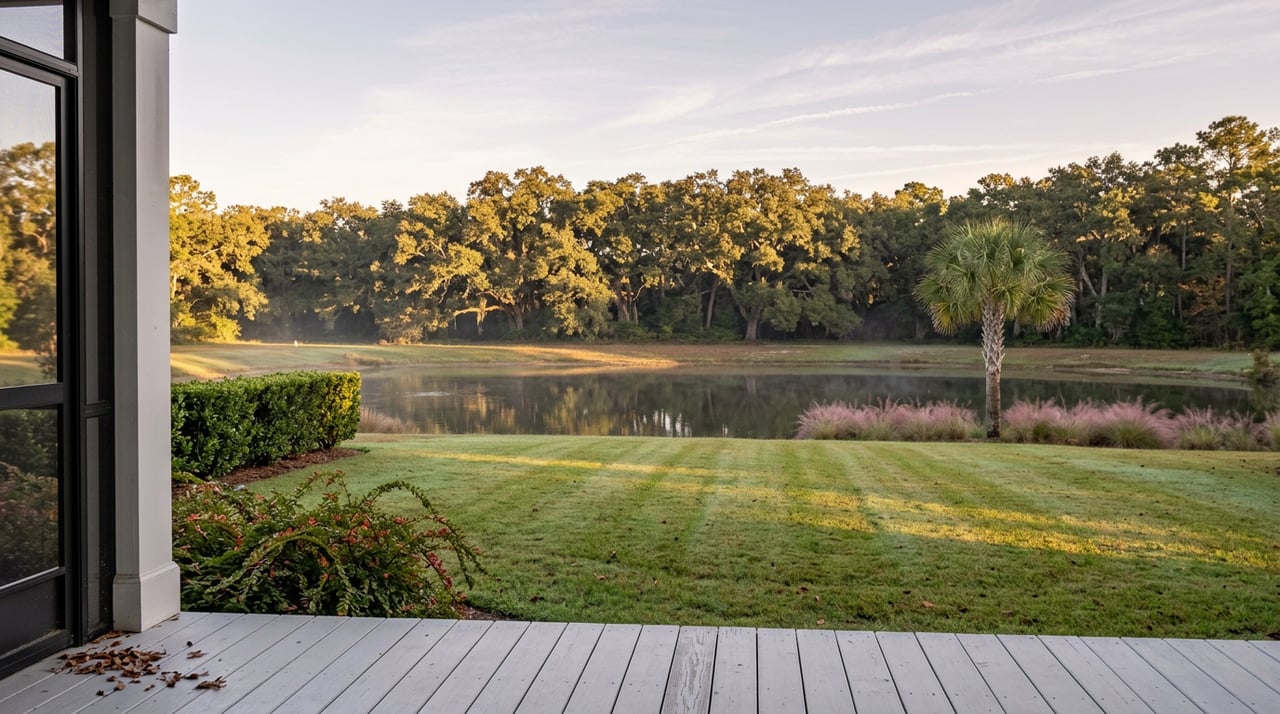
None of this changes what Stonoview is. It's still a waterfront community organized around pocket parks, tidal creeks, and a shared dock, with the Stono River doing most of the work of making the place feel like it does. What changed is a small, specific thing: a law with a real deadline finally let the county and a veteran-run nonprofit finish a job that patience alone couldn't get done. The nine boats that came out in July were the visible result. The cleaner sightlines under the bridge, the safer ramp at Limehouse, and one less thing to think about on a Saturday morning are the parts residents will actually notice as fall boating season settles in.
If you're new to the neighborhood and still figuring out where the crabbing is best, when the slips actually turn over, or which stretch of Main Road has the shortest wait for lunch after a morning on the water, that's the kind of local detail that doesn't show up in a listing. Anthony Barrasso has spent enough time on this stretch of the Stono to know it, and he's happy to be a resource for neighbors, not just clients. Let's connect if there's ever a question worth asking.
Stay up to date on the latest real estate trends.

Experience the confidence that comes from working with a seasoned Broker committed to protecting your goals and delivering exceptional results. Contact Anthony today to start your home searching journey!